The operation of lime vertical kiln is simple, the calcination process of lime is automated, and it has the advantages of high thermal efficiency, low operation and maintenance costs, and adaptability to multiple fuels,.
[2026-10-14]

In lime plant investment, choosing the right kiln directly determines the energy consumption, output, and profit margin for the next 3-5 years. Choosing the wrong kiln may lead to a passive situation of high costs and low output.
[2026-08-19]

Lime kiln equipment is usually divided into 6-8 core systems, with specific quantities varying slightly depending on the kiln type (vertical kiln/rotary kiln) and degree of automation
[2026-08-18]

In recent years, infrastructure and industrialization in Southeast Asia have accelerated, and the local lime production capacity gap in Myanmar and Vietnam continues to widen. More and more local bosses are no longer choosing high priced kilns from Europe
[2026-08-18]
This parameter is a general technical specification for a standard type of coal-fired lime vertical kiln with a daily output of 100 tons. The overall structure is mature, the operation is stable, and the energy consumption is controllable. The following a
[2026-08-05]
Traditional bell shaped fabrics are prone to the phenomenon of "central stacking and empty edges", which leads to uneven ventilation resistance in the kiln, coexistence of local overburning and raw burning, large fluctuations in lime activity, and serious
[2026-07-29]

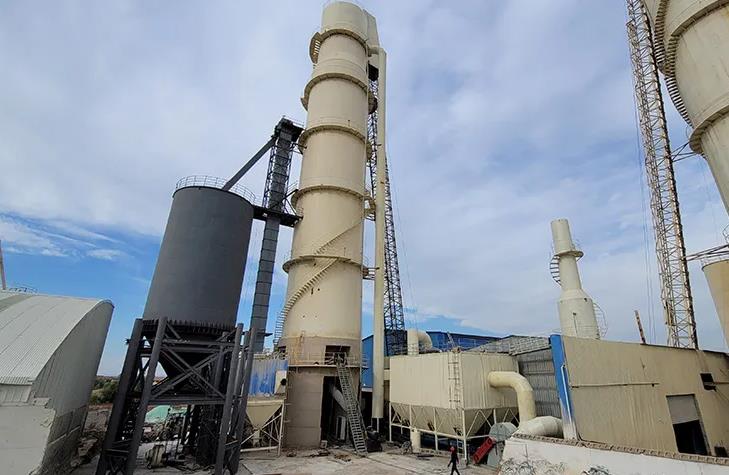
The mechanical fossil ash vertical kiln adopts an integrated and compact equipment architecture, which greatly improves space utilization compared to traditional lime calcination equipment.
[2026-07-24]

During the calcination process, various problems may occur due to operational reasons, such as the upward movement of the calcination belt, which is a very common operational malfunction. Understanding the causes of these malfunctions can help us better o
[2026-07-16]

The burning loss of quicklime refers to the percentage of weight lost after fully burning the finished lime at a high temperature of around 1000 ℃. This indicator directly reflects the calcination quality and activity purity of lime
[2026-07-14]
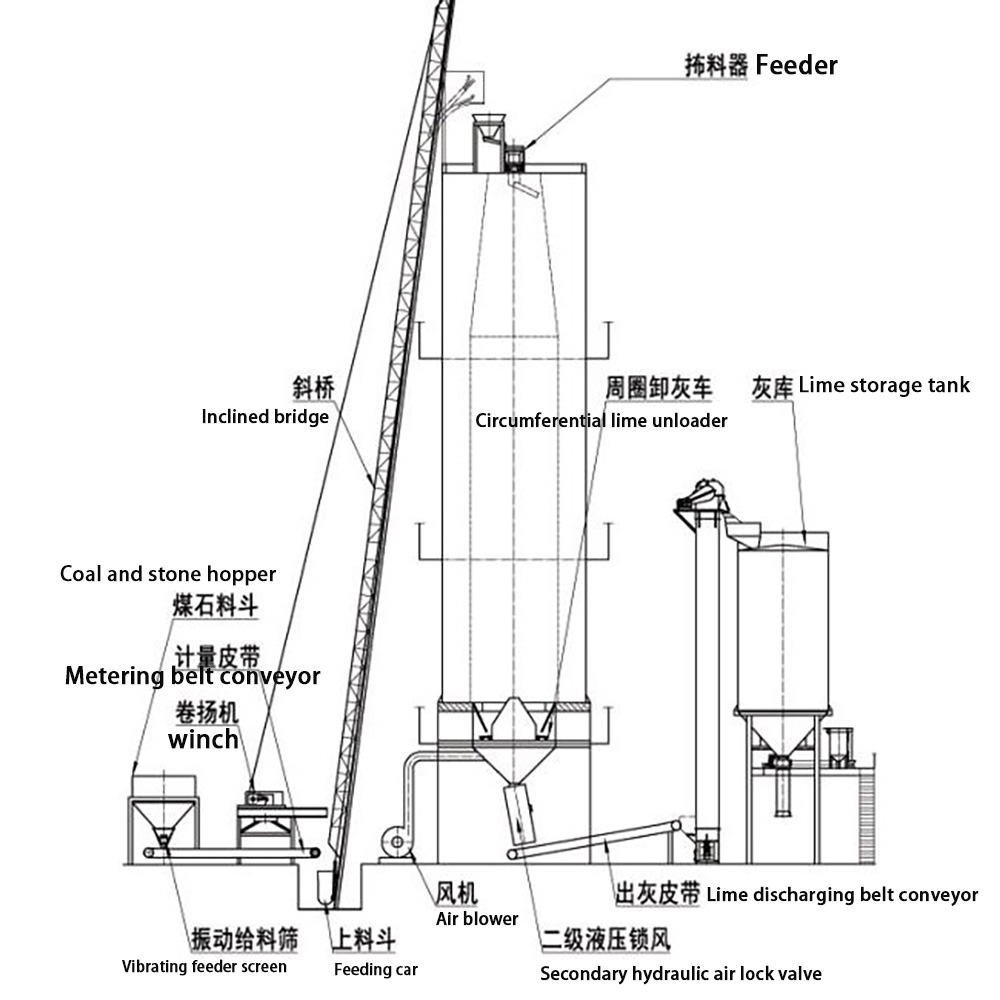
As the mainstream kiln type for lime production, lime shaft kiln is widely used in metallurgy, chemical industry, building materials and other industries due to its advantages of simple structure
[2026-07-13]